


en777 | Exploring the World of Strategy Games: A Journey into Tactical Mastery
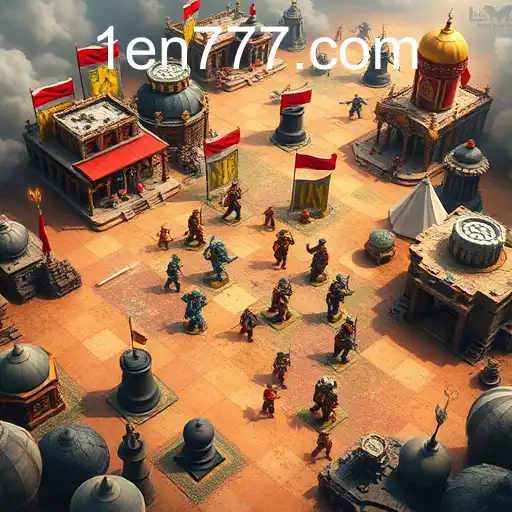
In the vast realm of digital entertainment, strategy games stand out as a genre that demands not only quick reflexes but also critical thinking and foresight. Often defined by elements such as tactical planning, resource management, and strategic decision-making, strategy games challenge players to think ahead and outmaneuver their opponents. This genre has captivated players for decades, fostering a community that thrives on competition and intellectual engagement.
The origin of strategy games can be traced back to board games like chess and Go, which laid the foundation for strategic thinking and tactical planning. With advancements in technology, these concepts transitioned into digital formats, giving rise to some of the most beloved video game titles across platforms. From the turn-based tactics of 'Civilization' to the real-time strategy of 'StarCraft,' the genre offers a multitude of experiences tailored to diverse player preferences.
One of the reasons strategy games continue to remain popular is their ability to evolve while maintaining core mechanics that appeal to both new and veteran players. Games like 'Total War' seamlessly blend historical accuracy with engaging gameplay, while others like 'XCOM' bring a science fiction twist to strategy, offering players varied narratives and settings. These games often require players to consider various factors such as unit strengths, terrain advantages, and long-term strategies, ensuring that no two gameplay sessions are ever the same.
The competitive aspect of strategy games cannot be overstated. With organized tournaments and global ranking systems, players around the world are constantly honing their skills to prove their prowess. The availability of online multiplayer modes has further broadened the appeal, allowing players to test their strategies against human opponents, thus adding a layer of unpredictability and excitement.
Beyond entertainment, strategy games often serve as educational tools, enhancing problem-solving skills, and encouraging players to think multiple steps ahead. This educational aspect makes them valuable not just for leisure but also as a means of cognitive development.
In conclusion, strategy games remain a staple of the gaming industry due to their capacity to engage players intellectually and provide endless hours of challenging gameplay. As developers continue to innovate and explore new themes and mechanisms, the genre is poised to captivate audiences for generations to come.
